
Danny was professional and did an exceptional job.
I could not be more pleased with the results.
New construction gives you one opportunity to get it right from the beginning.
New construction insulation gives you access to every wall cavity, attic space, rim joist, and other areas that will be much harder to reach after the home construction is finished. Choosing the right insulation for new home construction isn’t just about meeting code. It’s about creating an energy efficient home that stays comfortable year-round while helping reduce unnecessary energy loss.

Fill out the form below to get started on your project today!
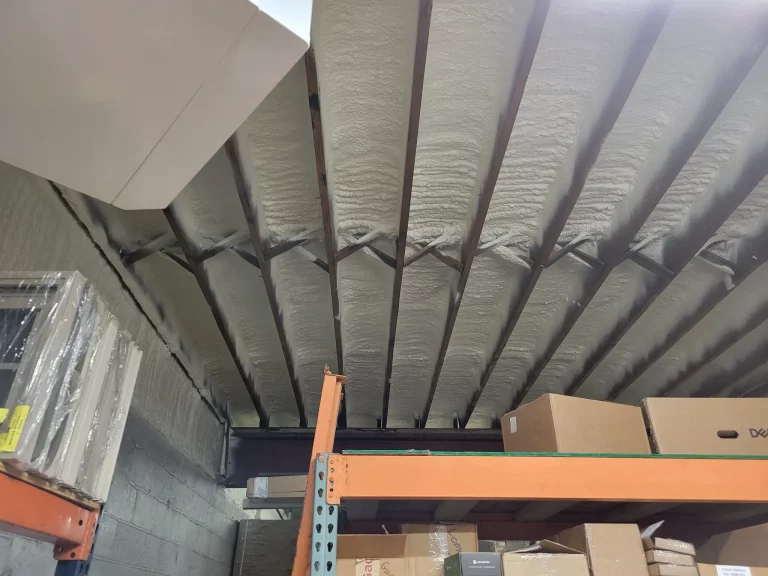
Every new home is different. We’ve insulated two houses on the same street that ended up with different insulation systems because the layouts and performance goals weren’t the same.
The floor plan, wall depth, roof design, mechanical systems, and even the way the house faces the sun all influence which insulation materials make the most sense. That’s why we start by looking at the building as a whole instead of recommending the same product for every project.
Colony Insulation works with homeowners, builders, and contractors throughout Southeast Michigan to install insulation for new construction that fits the building, the budget, and the performance goals.
Some of the most common insulation options include:
Danny was professional and did an exceptional job.
I could not be more pleased with the results.
The foam is sprayed flawlessly.
Danny did an excellent job, and I would recommend Colony for spray foam insulation work.
Clean, quick, professional, and on time.
Danny answered all of my questions with confidence and did excellent work. One of the best installers I have seen.
My first floor struggled to make it above 60 degrees—now it’s 72 degrees and the floors are nice and warm.
Danny and his partner did an awesome job encapsulating my crawl space. They cleaned it out thoroughly, and the finished work exceeded my expectations.
Completed everything exactly as promised.
Colony Insulation was able to insulate our attic just one day after we signed the contract. The work was great, and they left the space neat and clean.
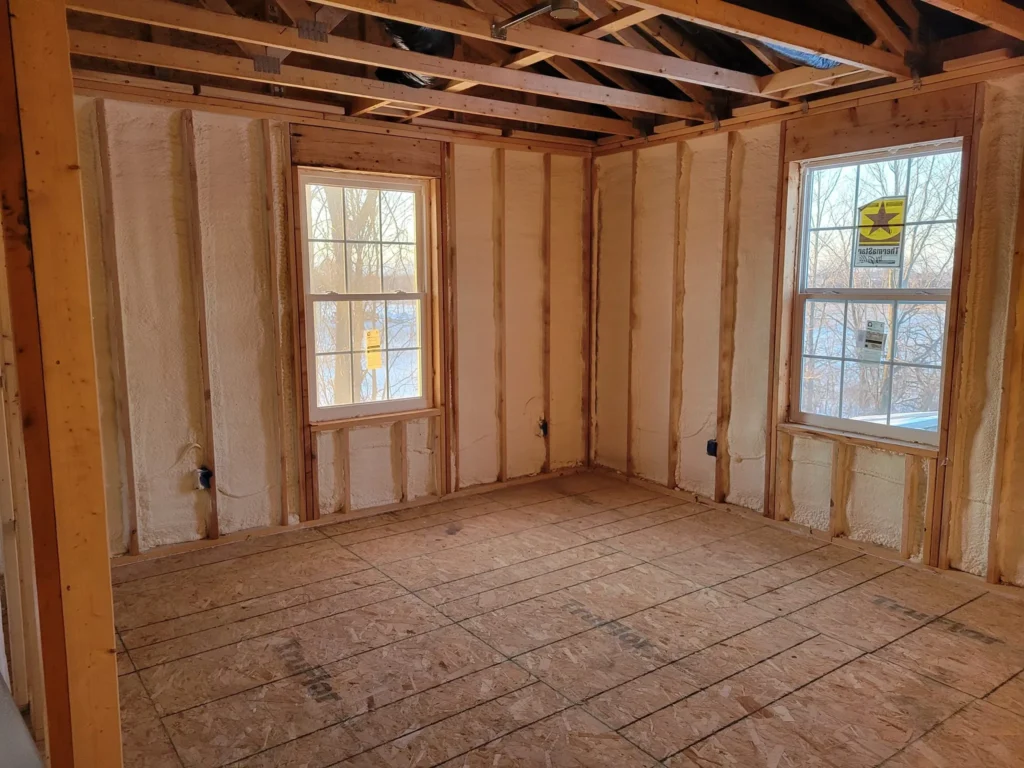
One thing we see fairly often is a house with plenty of insulation but noticeable drafts because air leaks were never addressed. Air leakage around framing joints, plumbing penetrations, wiring, and framing transitions can account for a significant amount of wasted heating and cooling.
That’s why we focus on the air seal first. It’s a lot easier to seal those gaps now than after drywall covers everything.
Reducing air movement helps keep conditioned air inside the home where it belongs. Proper air sealing also improves energy efficiency, reduces drafts, and helps lower energy bills over time. In many homes, energy losses from air leakage can exceed the heat lost through the insulation itself.

Ira Township
Fort Gratiot
China Township
See how Colony Insulation can help bring your property higher energy efficiency and comfort.
Because spray foam expands as it’s applied, it fills spaces that other insulation materials can’t. In some applications, it expands up to 100 times its original size, making it an excellent choice for difficult-to-reach areas.
Both open cell spray foam and closed cell spray foam have their place. One isn’t automatically better than the other. It depends on what that part of the house needs to do.
Open cell spray foam provides an R-value of roughly R-3.5 to R-4 per inch and works well where sound control and complete cavity coverage are priorities.
Closed cell spray foam offers one of the highest R values available, typically beginning around R-6 per inch. Closed cell foam also creates a durable air barrier while providing added moisture resistance, making it a strong option for rim joists, crawl spaces, and other areas where moisture issues are more likely.
For many projects, cell spray foam provides the best energy efficient insulation when air sealing and insulation need to work together.
Spray foam isn’t automatically the best insulation for every part of a home.
Fiberglass insulation remains one of the most cost effective choices for many new construction projects. Fiberglass batts fit neatly into open wall cavity framing and are commonly used in exterior walls, interior walls, and attic assemblies.
Blown fiberglass also performs well as attic insulation because it creates consistent coverage across the attic floor.
Cellulose insulation is another practical option. Made largely from recycled materials, it can be installed as loose fill or wet applied cellulose depending on the application. The bonding agent used in wet applied cellulose helps it stay in place within open wall cavities before drywall installation.
Choosing between these insulation options usually comes down to balancing thermal performance, moisture control, budget, and the specific needs of the construction homes being built.
They’re also two of the easiest areas to get right while the house is still under construction.
Attic insulation helps slow heat loss through the roof while keeping hot air from building up in the attic space during warmer months. The best attic insulation for one project may not be the same for another, but proper coverage combined with good air sealing can make a noticeable difference in comfort and energy savings.
In the crawl space, foam insulation is often the preferred choice because it helps limit moisture, improves the air barrier, and reduces cold floors above. Proper crawl space insulation can also help prevent mildew growth by limiting unwanted moisture movement.
Rim joist insulation is another area that shouldn’t be overlooked. Rim joists frequently allow outside air into the home, making them one of the key areas where spray foam insulation performs especially well.
Some builders choose to exceed code using the performance method, allowing different insulation systems to work together to achieve better overall energy efficiency. Increasing insulation levels in exterior walls, improving cavity insulation, or selecting higher R value products may provide better long-term performance without dramatically changing the building process.
The goal is to install proper insulation that supports the home’s heating and cooling system instead of making it work harder than necessary.
We’ll look at the wall cavity depth, exterior sheathing, attic design, crawl space, rim joists, moisture exposure, and the overall home construction before recommending a system. Sometimes that means spray foam insulation throughout key areas. Other projects are better served with fiberglass batt insulation, cellulose insulation, or a combination of materials.
Our job is to recommend insulation for new home construction that fits how the building will actually perform for years to come.
Questions builders and homeowners often ask before choosing insulation for a new construction project.

Plan Your New Construction Insulation
If you are building a new home, addition, or commercial space, Colony Insulation can help you choose the right insulation system before the walls are closed.