
Danny was professional and did an exceptional job.
I could not be more pleased with the results.
Colony Insulation provides residential insulation services for homes across Clay and surrounding Southeast Michigan. If your house has drafty rooms, uneven temperatures, rising energy bills, or areas that never feel comfortable, there is a good chance the insulation is part of the problem. A lot of homes do not need a flashy fix. They need the right insulation materials in the right places, installed correctly. That can mean attic insulation, wall insulation, crawl space work, spray foam insulation, loose fill insulation, or a mix of insulation options depending on how the house is built.

Fill out the form below to get started on your project today!


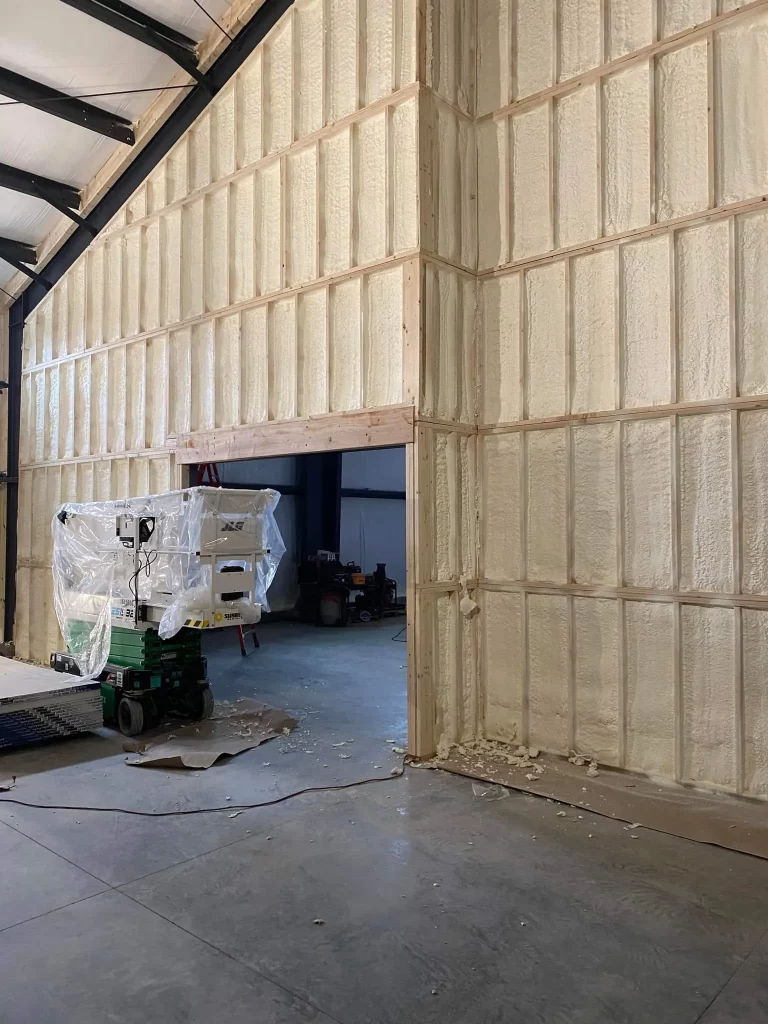
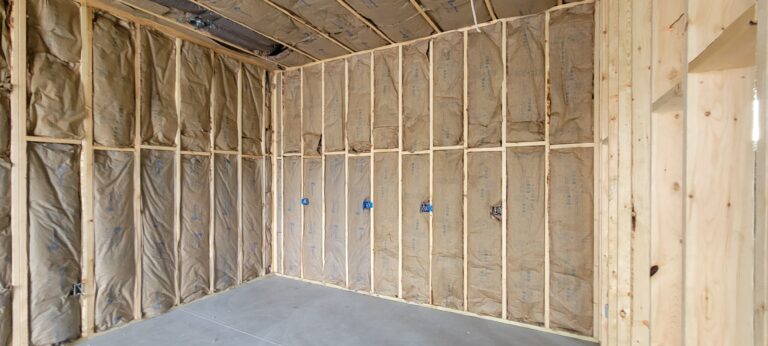

Residential insulation should help slow heat flow, reduce heat transfer, and make indoor temperatures easier to maintain through every season. A well-insulated home feels more stable. The heating and cooling system does not have to fight the house all day. Rooms feel more even. Floors stay more comfortable. Energy bills stop climbing for no clear reason.
That only happens when the insulation needed matches the structure. Some homes need blown in insulation in attic areas. Some need foam insulation in hard-to-seal sections. Some need fiberglass insulation or cellulose insulation in wall cavities. Some need rigid foam or foam board at foundation walls or unfinished walls.
Good home insulation helps:
Danny was professional and did an exceptional job.
I could not be more pleased with the results.
The foam is sprayed flawlessly.
Danny did an excellent job, and I would recommend Colony for spray foam insulation work.
Clean, quick, professional, and on time.
Danny answered all of my questions with confidence and did excellent work. One of the best installers I have seen.
My first floor struggled to make it above 60 degrees—now it’s 72 degrees and the floors are nice and warm.
Danny and his partner did an awesome job encapsulating my crawl space. They cleaned it out thoroughly, and the finished work exceeded my expectations.
Completed everything exactly as promised.
Colony Insulation was able to insulate our attic just one day after we signed the contract. The work was great, and they left the space neat and clean.

A house loses performance through more than one area. The attic can leak heat. Exterior walls can be under insulated. Air leaks around electrical boxes, door frames, attic hatches, air ducts, and wall transitions can make the insulation work a lot harder than it should. Foundation walls and unfinished walls can also drag down comfort if they are left open or poorly insulated.
That is why adding insulation is not always just about adding more material. The real answer depends on where the home is weak and which insulation solutions make sense for that part of the building structure.

Ira Township
Fort Gratiot
China Township
See how Colony Insulation can help bring your property higher energy efficiency and comfort.
Most residential insulation work comes down to a few main parts of the house.
Attic insulation is one of the first things we look at because the attic is a major source of heat loss and heat gain. If the attic floor is under insulated, the house can lose heat in winter and take on too much heat in summer. Blown in insulation, loose fill insulation, fiberglass insulation, and spray foam are all used in attic applications depending on the attic layout and performance goal.
Walls matter more than people think. Exterior walls, interior walls in some assemblies, and unfinished walls can all affect comfort, noise, and energy efficiency. Wall cavities may be insulated with fiberglass insulation, cellulose insulation, blown in insulation, mineral wool batts, or foam insulation depending on the framing, access, and structure.
Foundation walls, crawl sections, and lower building transitions can make the house feel colder and less stable if they are not insulated correctly. In some cases, rigid foam, foam board, or closed cell foam is the better option because moisture resistance and air barrier performance matter more in those areas.
There is no single best material for every home. The right answer depends on the part of the house, the access, the moisture conditions, and the level of thermal resistance needed.
Spray foam insulation is one of the most effective options for areas with gaps, cracks, and irregular framing. It can help create an air barrier while also adding insulation value. Spray foam is especially useful in attic transitions, wall cavities, rim areas, and other parts of the house where air leaks are a big part of the problem.
Closed cell foam is typically used when a higher r value per inch, stronger moisture resistance, and tighter air barrier performance are needed. In the right application, it can help seal hard-to-reach spots and strengthen thermal performance in a smaller amount of space.
Foam board and rigid foam boards are often used where flat surface coverage and moisture control matter more. These materials can be useful at foundation walls, unfinished walls, and other areas where board-style products make more sense than loose fill or batt products.
Rigid foam can also work with wall sheathing details, foundation transitions, and select areas near exterior wall sheathing. Some homes use foam board as part of a broader insulation and air barrier strategy to help reduce heat conduction and improve energy efficiency.
Fiberglass insulation is still one of the most common residential insulation materials because it works well in many wall cavities, attic spaces, and open framing applications. Fiberglass insulation can be used in batt form or in blown in insulation applications depending on the area.
When properly installed, fiberglass helps slow heat transfer and improve comfort. But proper installation matters. Gaps, compression, and poor fitting around electrical boxes, air ducts, and framing details can reduce performance fast.
Cellulose insulation is a good fit in many residential wall and attic applications. It is often made with recycled materials and can work well as loose fill or blown in insulation. In older homes, cellulose insulation can help fill irregular spaces more effectively than some other products.
Mineral wool and rock wool products are useful in specific applications where fire resistance, noise reduction, and durability matter. Mineral wool batts can work well in walls and other framed areas where homeowners want strong thermal resistance along with solid performance around sound and heat.
Insulation alone does not fix every problem if the house still leaks air. A home can have decent insulation materials in place and still struggle if outside air keeps moving through openings, cracks, and poorly sealed transitions. That is where air barrier thinking matters.
An air barrier helps control air movement through the building structure. That matters around attic hatches, electrical boxes, door frames, air ducts, wall cavities, and transitions between the attic, walls, and lower levels of the house. If those areas are left open, air leaks keep happening, heat flow keeps happening, and the insulation never gets to do its full job.
In practical terms, the goal is to reduce air leaks, seal air leaks where it makes sense, and support better thermal performance throughout the home.
R value is one of the most common things people ask about, and for good reason. The r value tells you how much the insulation resists heat transfer. Higher r value generally means better thermal resistance, but that does not mean the highest r value product is always the right answer in every location.
The right r value depends on the area being insulated, the space available, the existing insulation, the materials already in the house, and the performance goal. In some places, loose fill insulation or blown in insulation is enough to bring the attic floor up to the needed level. In others, spray foam insulation or rigid foam is the better fit because the assembly needs a higher r value in a thinner space.
The real question is not just what product has the highest r value. It is what insulation is needed in that part of the house and how it should be installed.
Colony Insulation handles residential insulation for both existing homes and new construction. The work looks a little different depending on the project.
In new construction, the goal is usually straightforward: install the right insulation materials in the right locations before everything gets covered up with gypsum board, exterior siding, and finished surfaces. That means thinking through wall cavities, exterior wall sheathing, attic floor details, foundation walls, and the right air barrier approach from the start.
In existing homes, the process is more diagnostic. We may be dealing with existing insulation that is thin, damaged, settled, or simply not enough. We may be upgrading an older home where the original insulation never kept up. We may be installing insulation in unfinished walls, attics, or lower areas where performance problems are obvious.
Either way, the goal is the same: make the house more efficient, more comfortable, and easier to manage year-round.
Before installing insulation, we look at the actual conditions in the home. That includes the attic, exterior walls, unfinished walls, wall cavities, foundation walls, crawl areas, and any visible signs of air leaks or poor thermal performance.
We also pay attention to practical details like:
That is what helps us recommend insulation solutions that actually fit the house.
Moisture can change the whole recommendation. Some parts of the home need stronger moisture resistance than others. Foundation walls and lower-level transitions are a good example. Those areas may need rigid foam, foam board, or another insulation material that stands up better in that environment.
Vapor barrier questions also come up in residential insulation work, but they are not something to guess at. The right vapor barrier approach depends on the assembly, the climate, and the materials involved. It is not a one-rule-fits-all answer.
People researching residential insulation run into all kinds of products and terms online. Things like radiant barriers, polyethylene bubbles, plastic film, foam beads, foam blocks, concrete forms, autoclaved aerated concrete, autoclaved cellular concrete, and even conventional concrete and concrete mix systems all show up in search results.
Some of those products are real parts of construction systems. Some are more relevant in specialty assemblies than in normal home insulation work. Some are tied to exterior walls, wall sheathing, or very specific building methods. That is exactly why the recommendation should be based on the actual house instead of whatever product list someone found online.
The helpful answer is usually simpler than the internet makes it sound. Most homes need the right combination of attic insulation, wall insulation, foam insulation, blown in insulation, proper installation, and a tighter air barrier where the house is leaking.
Colony Insulation provides residential insulation services for homes across Clay and surrounding Southeast Michigan. The company is family-owned, owner-led by Daniel Walker, and focused on practical work that matches the structure instead of overselling one product.
Homeowners usually want the same few things. They want lower energy bills. They want better comfort. They want fewer rooms that feel too hot or too cold. They want a house that holds more stable indoor temperatures. And they want professional installation from a company that can explain the options clearly.
That is the point of the process. Look at the house, figure out where the energy loss and comfort problems are coming from, then install the right materials the right way.

Get Insulation That Fits Your Home
If your home needs better insulation, Colony Insulation can assess the structure and recommend the right next step. Whether that means spray foam insulation, blown in insulation, attic insulation, wall upgrades, or better coverage at foundation walls, the goal is simple: make the house more comfortable and more efficient without overcomplicating the job.