
Danny was professional and did an exceptional job.
I could not be more pleased with the results.
Colony Insulation installs blown in insulation for residential and commercial properties across Clay and surrounding Southeast Michigan areas. We use fiberglass insulation, cellulose insulation, and other proven materials to improve attic insulation, wall performance, and overall home insulation without forcing a one-size-fits-all answer.

Fill out the form below to get started on your project today!
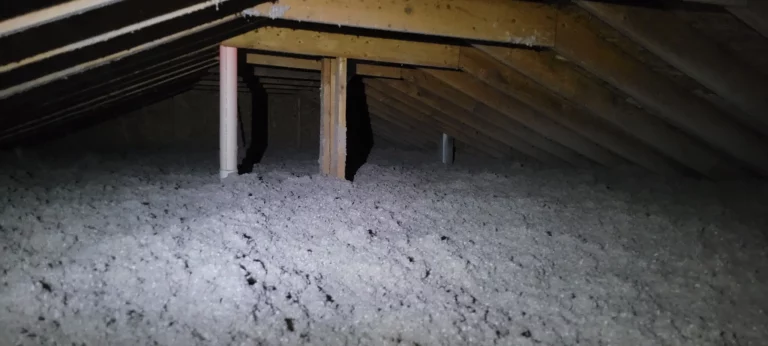
Blown in insulation works well because it can fill gaps, settle around electrical wires, fit irregular attic and wall space, and improve coverage where batt insulation or rolled insulation leaves too many openings behind. It is one of the most practical ways to upgrade home insulation in existing homes, additions, and commercial buildings without opening up every surface.
Danny was professional and did an exceptional job.
I could not be more pleased with the results.
The foam is sprayed flawlessly.
Danny did an excellent job, and I would recommend Colony for spray foam insulation work.
Clean, quick, professional, and on time.
Danny answered all of my questions with confidence and did excellent work. One of the best installers I have seen.
My first floor struggled to make it above 60 degrees—now it’s 72 degrees and the floors are nice and warm.
Danny and his partner did an awesome job encapsulating my crawl space. They cleaned it out thoroughly, and the finished work exceeded my expectations.
Completed everything exactly as promised.
Colony Insulation was able to insulate our attic just one day after we signed the contract. The work was great, and they left the space neat and clean.
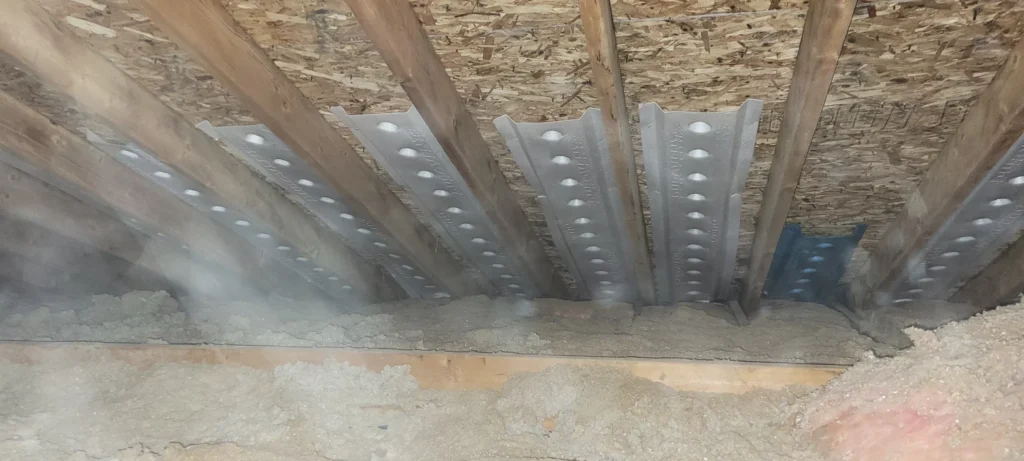
Blown in insulation is commonly used in attics, enclosed walls, open wall sections during remodels, and some floor systems where insulating coverage matters more than perfectly squared framing. Colony Insulation handles blown insulation work for homes, additions, commercial buildings, and multi family structures, always checking the attic, walls, moisture conditions, and ventilation before we install anything.

Ira Township
Fort Gratiot
China Township
See how Colony Insulation can help bring your property higher energy efficiency and comfort.
Blown in insulation is a loose fill insulation product that gets installed with a machine and hose, then distributed into an attic, wall, or other enclosed space. Instead of cutting batts to fit every bay, the material is blown into place so it can settle into smaller chunks of open space, wrap around electrical wires, and create more complete coverage. That is a big reason blown insulation is so common in attic insulation and retrofit home improvement work.
There are two types most people ask about first: fiberglass blown in insulation and blown in cellulose. Both are common. Both can work well. The right insulation type depends on the attic or wall assembly, the target r value, the condition of the existing insulation, and whether air sealing needs to happen before new insulation goes in.
Blown in insulation is often the right call when the attic has irregular framing, the walls have hard-to-reach cavities, or the existing insulation is thin, uneven, or just not doing much anymore. In those cases, loose fill can move into gaps more effectively than batt insulation or rolled insulation. It is especially useful when a few feet of awkward framing, wiring, ductwork, or roof transitions make standard batts a bad fit.
We install blown in insulation in attics, walls, and selected floor systems for both homes and businesses. For home insulation upgrades, the attic is often the first place to look. For commercial properties and multi family structures, the best application depends on access, scope, and how the building is put together.
Fiberglass blown in insulation is a popular option for attic insulation and other blown insulation upgrades because fiberglass is light, reliable, and familiar to property owners. Blown in fiberglass insulation can create strong coverage across an attic floor and around obstacles where fiberglass batts or rolled insulation leave open spots. When people ask for blown in insulation, fiberglass insulation is usually one of the first materials in the conversation.
Fiberglass insulation also works well when the goal is to add insulation over existing insulation without adding unnecessary complications. The right depth still matters because r value matters. A thin layer of blown in fiberglass insulation is not magic. The install has to match the target r value and the space has to be checked for air leaks first.
Blown in cellulose is another common blown in insulation option, especially in attics and wall cavities. Cellulose insulation is made in part from recycled newspapers and treated to resist fire, pests, and mold issues better than people expect. Blown in cellulose can create dense loose fill coverage and is often chosen when the goal is solid thermal performance in older homes or retrofit walls.
Cellulose insulation can settle differently than fiberglass insulation, so the install method, target depth, and application area matter. On some jobs, blown in cellulose is the best insulation material. On others, fiberglass blown in insulation makes more sense. The answer depends on the attic, the walls, the moisture conditions, and the overall insulation work being done.
Mineral wool insulation and rock wool insulation come up a lot in insulation conversations, especially when people want materials that resist fire well. Mineral wool is a strong material in the right application, but it is not the default answer for every attic or wall. In some assemblies, mineral wool batts make sense. In others, blown in insulation is simply more efficient to install and gives better fill around framing and penetrations.
There is no reason to force mineral wool, rock wool, fiberglass batts, or rolled insulation into a job when blown insulation is the better fit. The insulation type needs to match the space, the r value target, and the condition of the house or building.
People compare blown in insulation to batt insulation all the time, and that is fair. Batt insulation and rolled insulation still have their place. Fiberglass batts are common in open framing, new builds, and projects where the cavities are clean and easy to reach. Rolled insulation can work well in straightforward attic floor sections. But when a space is irregular, crowded with electrical wires, or full of awkward framing, blown insulation usually gives cleaner fill and fewer missed spots.
That said, batt insulation is not wrong. It is just not always the best answer. Some projects use both. We may recommend fiberglass batts in one section, blown in fiberglass insulation in another, and air sealing at all the weak points before any new insulation goes in. Good insulation work is about fit, not ego.
Spray foam and blown in insulation solve different problems. Spray foam can handle insulation and air sealing together, which makes it valuable in the right places. Open cell foam and closed cell foam each have their own role. Closed cell brings a higher r value per inch and more rigidity. Open cell foam expands differently and is used in different assemblies. Foam can be a smart move in rooflines, rim areas, or specific transition points.
But not every attic or wall needs spray foam. Sometimes blown in insulation is the cleaner, smarter, and more cost-conscious move. Sometimes the right answer is air sealing the attic floor first, then installing blown insulation over it. Sometimes a hybrid approach works best. The material should fit the problem, not the other way around.
Before we install blown in insulation, we check the attic, walls, roof conditions, and any signs that the existing insulation has bigger problems behind it. Old insulation that is damp, compressed, dirty, moldy, or poorly installed can change the whole recommendation. The same goes for active roof leaks, attic ventilation problems, and open air leaks in the ceiling plane.
We also pay attention to practical jobsite details. That includes electrical wires, can lights, ductwork, soffit vent access, vapor barrier questions, and whether the attic has enough airflow to avoid moisture trouble later. If a home inspector flagged thin coverage or visible attic gaps, that can be a useful starting point, but we still want to assess the actual space ourselves. We highly doubt any smart recommendation comes from just blowing more stuff on top of a problem and calling it done.
Blown in insulation helps, but it does not erase air leaks by itself. If the attic floor is open at wiring penetrations, top plates, can lights, and attic hatches, heated and cooled air still moves through those gaps. That is why air sealing matters so much. Good blown insulation performs better when the attic has been tightened up first.
Attic ventilation matters too. A soffit vent cannot do its job if it gets buried or blocked. Ventilation at the roofline and ceiling level affects moisture control, heat buildup, and the long-term performance of the insulation. We check attic ventilation before adding more material because more insulation is not the answer when airflow problems are the real issue.
Most people asking about blown in insulation eventually get to the same question: how much is enough? The answer is tied to r value. More specifically, it is tied to the target r value for the attic or wall, the insulation material being used, and the depth needed to get there. Fiberglass insulation, blown in cellulose, batt insulation, and spray foam all perform differently, so the same inch depth does not always produce the same r value.
That is why we do not guess. The existing insulation matters. The condition of the attic matters. Whether the walls are open or closed matters. If the house has old insulation that is settled down or thin across the attic floor, blown in insulation may be the right way to bring the r value up without a full tear-out. If the structure includes oriented strand board, tricky rooflines, or enclosed sections that need a different approach, that changes the recommendation too.
When the job is scoped right, blown in insulation gives broad coverage and makes the most of the available space. The goal is not just more fill. The goal is the right fill, at the right depth, with the right insulation type, installed the right way.
Colony Insulation handles blown in insulation for homes, commercial buildings, and multi family structures throughout Southeast Michigan. In a house, the focus is usually comfort, energy waste, and uneven rooms. In commercial insulation work, the focus may be budget, access, code requirements, tenant comfort, or efficiency across a larger roof and ceiling area. Multi family structures bring another layer because installation has to respect occupancy, unit layout, and the way shared walls and attic areas are built.
The approach changes by building type, but the basic logic stays the same. Check the space. Choose the right materials. Handle air leaks and moisture issues first. Then install the insulation in a way that gives complete coverage and real performance.
Cost depends on the insulation type, the amount of material needed, access to the attic or walls, and the prep work required before installation. A simple attic top-off is not priced like a wall project, and a clean open attic is not priced like a moisture-damaged space with old insulation, ductwork issues, and extra air sealing work. Material choice also affects cost. Fiberglass blown in insulation, blown in cellulose, batt insulation, mineral wool, and spray foam all come with different installation demands and budget ranges.
For most people, the smartest way to think about budget is not just price per bag or price per inch. It is total job value. If blown in insulation gives better fill, cleaner coverage, and lower energy waste in the space you actually have, it is usually the better investment than forcing a cheaper material where it does not belong.
Colony Insulation serves Clay and surrounding Southeast Michigan areas with blown in insulation, fiberglass insulation, cellulose insulation, air sealing, attic insulation, and other insulation work for residential and commercial properties. The company is owner-led by Daniel Walker and positions its work around comfort, lower energy use, and insulation recommendations that match the building instead of chasing shortcuts.
That matters on blown insulation projects because the install is only part of the job. The assessment matters too. If the attic has moisture trouble, if the walls need a different approach, or if spray foam would solve the problem better than loose fill, you should hear that up front. That is the whole point of doing this right.

Get The Right Insulation In The Right Place
If your attic, walls, or floors feel under insulated, Colony Insulation can assess the space and recommend the right blown in insulation approach for the job. You will get a clear answer, a practical plan, and installation that makes sense for the building.