When people compare blown-in vs. batt vs. spray foam insulation in Southeast Michigan, they’re usually looking for the best insulation.
The problem is there isn’t one.
We’ve looked at homes where adding blown-in insulation to the attic made an immediate difference. We’ve also seen projects where spray foam insulation was the better answer because the real problem wasn’t missing insulation. It was uncontrolled air leakage.
Instead of asking which material is “best,” ask what’s the most effective insulation for the building.
Insulation Material Has A Job
Insulation slows heat flow. How it does that depends on the material and installation method.
The three most common insulation types all perform differently.
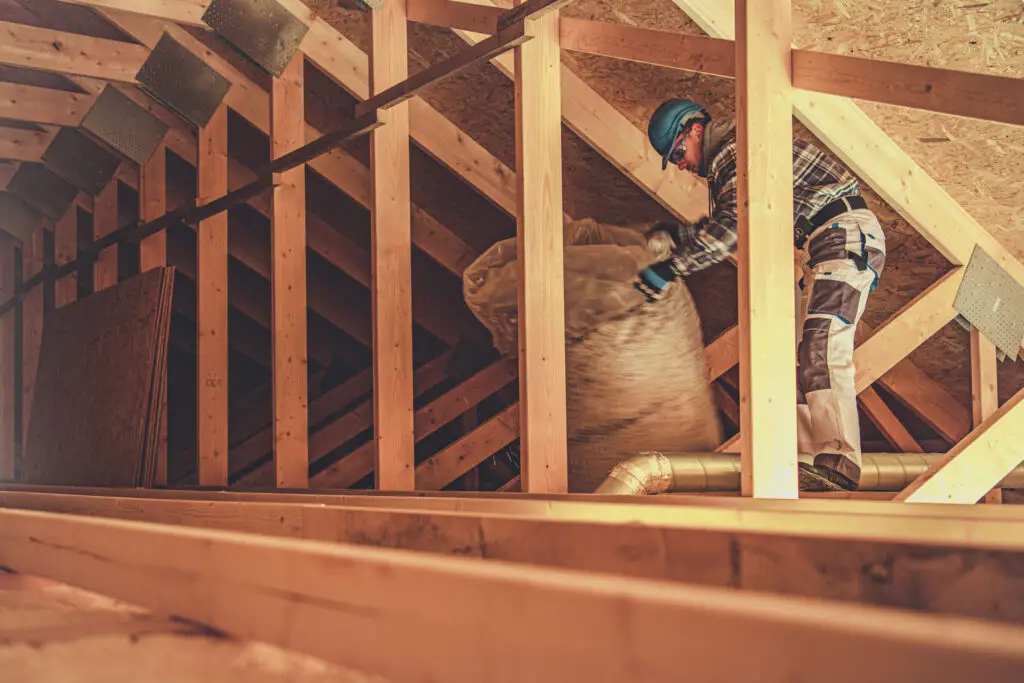
- Blown-in insulation works well for open attic floors and many retrofit projects.
- Fiberglass batt insulation and mineral wool both work well in predictable framing cavities during new construction and remodeling, depending on the goals of the project.
- Spray foam insulation insulates while also sealing many of the air leaks that let conditioned air escape.
That’s why we start by looking at the building instead of recommending a product first.
It Starts With Air Movement
One thing we see fairly often is an attic with plenty of insulation that still feels cold in winter.
The insulation isn’t always the problem.
Warm air may be escaping around wiring penetrations, plumbing stacks, recessed lighting, attic hatches, or framing joints. Once air movement starts, even good insulation can’t perform as well as it should.
That’s where air sealing becomes important.
Some projects need separate air sealing before adding insulation. Others naturally accomplish both jobs through closed cell spray foam or open cell spray foam, depending on the application.
If uncontrolled air movement isn’t addressed first, adding more insulation may not solve the comfort problem.
Understanding R-Value
You’ll often hear insulation compared by its R-value.
R-value measures how well insulation resists heat flow. A higher R-value generally means greater thermal resistance.
Different insulation materials achieve that value differently.
| Material | Typical R-Value Per Inch | Common Uses |
|---|---|---|
| Closed cell spray foam | R-6.0 to R-7.0 | Rim joists, crawl spaces, walls, rooflines |
| Open cell spray foam | Lower than closed cell | Interior walls and roof assemblies |
| Blown fiberglass | Around R-2.2 to R-2.7 | Attic upgrades |
| Blown cellulose | Around R-3.2 to R-3.8 | Existing attics and retrofit projects |
| Fiberglass batts | Varies by thickness | Walls, ceilings, new construction |
Higher R-value doesn’t automatically mean one insulation belongs everywhere.
The location matters just as much.
When Blown-In Insulation Makes Sense
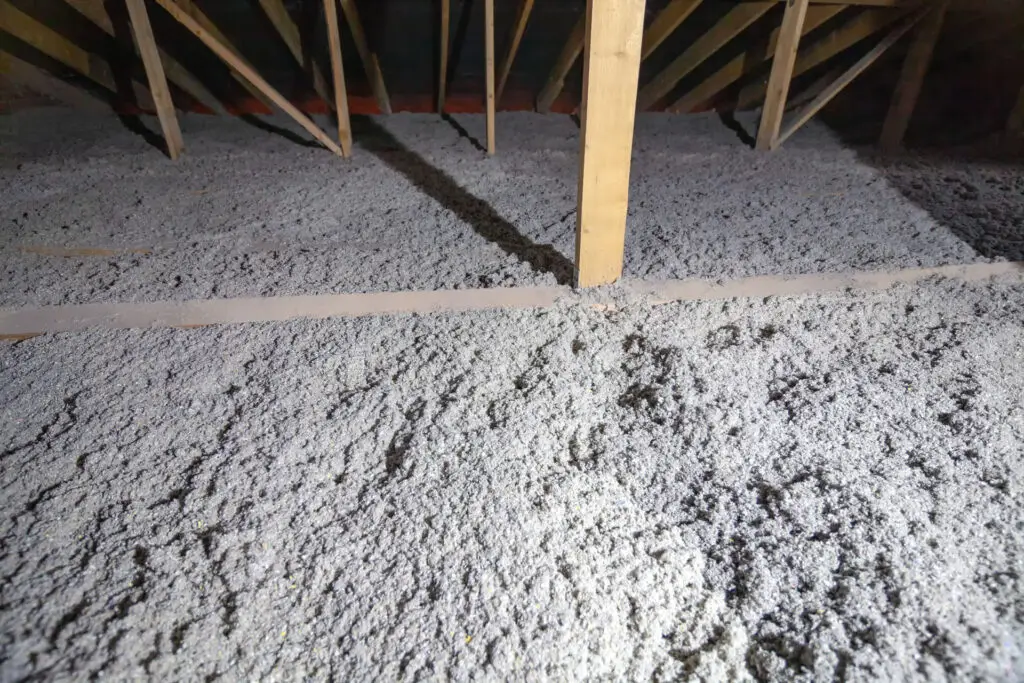
Blown-in insulation is one of the most common upgrades we install in existing homes throughout Southeast Michigan.
It works especially well in attics because the loose fill material flows around wiring, framing, and other obstructions that are difficult to insulate with batts.
Depending on the project, that loose fill insulation may be blown cellulose or blown fiberglass.
Blown-in insulation is often a cost effective way to increase attic R-value without major demolition.
It does have limits.
Because it doesn’t create an airtight barrier, existing air leaks should usually be addressed first. Proper attic ventilation also remains important for managing moisture.
In some homes, blown-in insulation may eventually settle and require additional material years later.
Where Fiberglass Batts Still Work Well
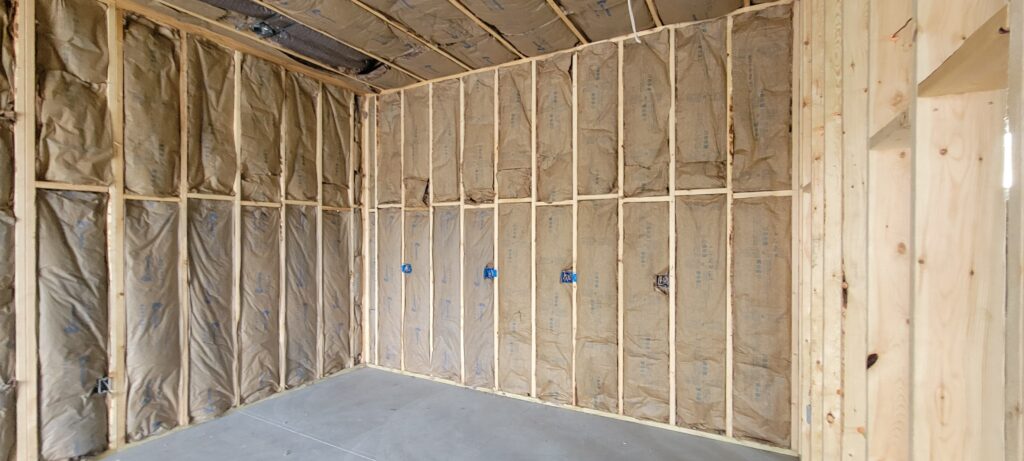
Fiberglass insulation has been used for decades because it’s practical, readily available, and works well when installed correctly.
Fiberglass batts are commonly used in:
- New construction
- Wall cavities
- Floor systems
- Basement ceiling assemblies
- Some remodeling projects
The biggest drawback isn’t the material itself.
It’s installation.
If batt insulation isn’t cut and fitted carefully around wiring, plumbing, or framing, small gaps can allow unwanted heat flow and air leakage.
A well-installed batt performs much better than a poorly installed one.
That’s why professional installation matters.
Where Spray Foam Insulation Excels
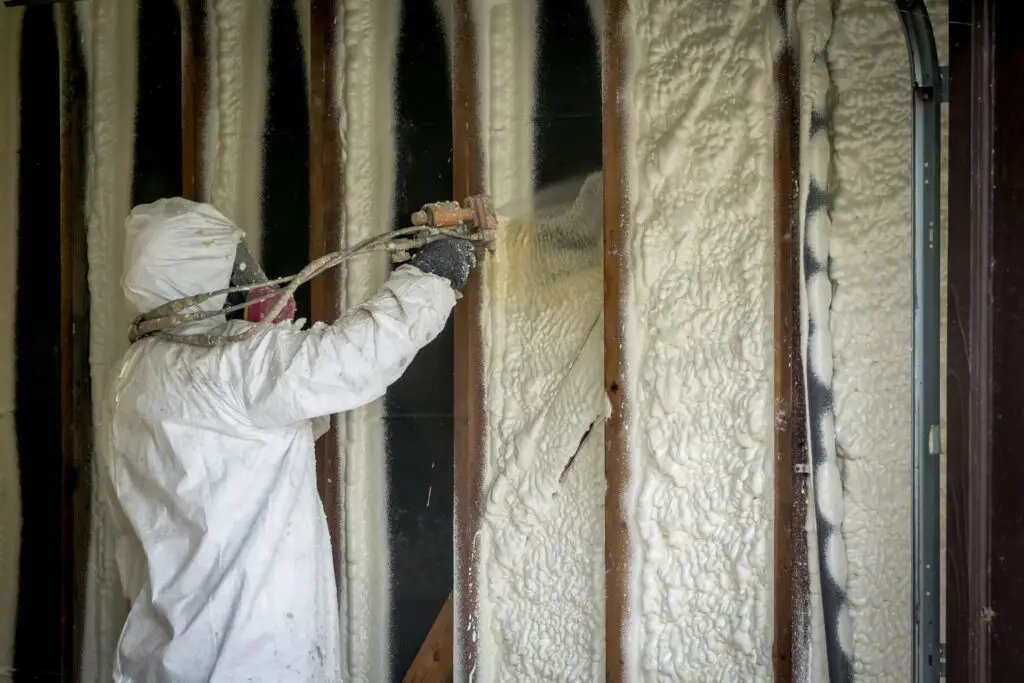
Spray foam insulation does two jobs at once.
It provides insulation while also sealing many of the gaps that allow air infiltration.
As the foam expands, it fills gaps around framing, penetrations, rim joists, and irregular building assemblies before curing into an airtight seal.
That combination of insulation and air sealing capabilities is why spray foam often performs so well in difficult areas.
It’s commonly used in:
- Rim joists
- Crawl spaces
- Rooflines
- Pole barns
- Wall cavities
- New construction
- Additions
Closed cell spray foam provides a higher R-value per inch along with excellent moisture resistance. In some applications, it can also serve as a vapor barrier while adding structural rigidity to the assembly.
Open cell spray foam expands more aggressively and is often selected where sound control or filling larger framing cavities is beneficial.
Because foam insulation combines thermal performance with air sealing, it can often improve overall energy efficiency beyond insulation alone.
However, spray foam insulation also carries a higher initial cost than blown-in insulation or fiberglass batts, so it isn’t automatically the right choice everywhere.
Spray Foam Vs. Blown-In: Which One Is Better?
This is probably the most common question we hear.
The answer depends on what the building needs.
If the attic already has good air sealing and simply doesn’t have enough insulation, blown-in insulation may be the most practical solution. It adds coverage quickly, increases the overall R-value, and is often a cost effective upgrade.
If the building is leaking air around rim joists, roof transitions, or other difficult areas, spray foam may provide much better long-term performance because it insulates while reducing air leakage.
Neither product wins every comparison.
The right material depends on where it’s being installed and what you’re trying to accomplish.
What About Cost?
Cost matters, but it should be viewed alongside performance.
In general:
- Blown-in insulation typically costs less per square foot than spray foam insulation.
- Closed cell spray foam has a higher upfront cost because of the material itself and the specialized equipment required for foam insulation installation.
- Fiberglass batts generally fall somewhere between the two, depending on the project.
Spray foam insulation costs more because you’re paying for insulation and air sealing in one application.
For some projects, that’s worth the investment.
For others, blown-in insulation paired with targeted air sealing provides excellent value.
If you’re comparing budget ranges, our guide to spray foam insulation cost in Southeast Michigan explains what can affect foam pricing.
That’s why we don’t estimate projects based on square footage alone.
Is Spray Foam Always The Most Energy Efficient?
Not necessarily.
Spray foam is excellent at reducing air leakage, which can improve energy efficiency when air movement is the main problem.
But maximum energy efficiency comes from looking at the building as a complete system.
That includes:
- Existing insulation
- Air leaks
- Attic ventilation
- Moisture management
- HVAC performance
- The condition of the building envelope
Sometimes replacing old insulation makes sense.
Sometimes adding loose fill insulation is enough.
Sometimes a combination of materials delivers better results than using only one.
Why Are Some Homeowners Removing Spray Foam?
In many cases, the issue isn’t that spray foam insulation failed.
The problem is improper installation.
Poor mixing, incorrect application thickness, inadequate surface preparation, or trapping moisture where it doesn’t belong can create problems later.
Those situations highlight why professional installation is important.
When open or closed cell foam is installed correctly and used where it’s appropriate, it has a long service life and excellent thermal performance.
Why Do Some Insurance Companies Ask About Spray Foam?
This question almost always comes up when spray foam is being applied directly to the underside of the roof deck.
For spray foam installed in walls, crawl spaces, or rim joists, this usually isn’t an issue.
The concern usually isn’t the spray foam itself. Some insurance companies want to be sure the roof structure can still be inspected and that signs of a roof leak or other damage won’t be hidden from view.
Can You Spray Foam A 2,000-Square-Foot House?
Absolutely. The question usually isn’t whether you can. It’s whether spray foam is the right solution for every part of the house.
Spray foam is often considered a superior insulation in areas where controlling both heat transfer and unwanted air movement is important. That doesn’t automatically mean every wall, attic, or crawl space should receive spray foam. In many homes, the best-performing insulation system combines spray foam with blown-in insulation or fiberglass insulation, depending on what each area of the building needs.
When we build an estimate, we look at a few things like:
- Whether open cell or closed cell spray foam is the better fit
- Building access
- Existing insulation
- Air sealing requirements
By that point, the home’s square footage is only one small part of the equation. The scope of work usually has a much bigger impact on the final cost.
There’s No Single “Best” Insulation
Every insulation material has strengths.
Blown-in insulation offers excellent attic coverage and is often one of the most cost effective retrofit options.
Fiberglass batts remain a practical choice for many framed wall systems when installed correctly.
Spray foam insulation combines insulation with outstanding air sealing capabilities, making it ideal for many hard-to-insulate areas.
That’s why experienced insulation contractors start by evaluating the building instead of recommending the same material for every project.
If you’re comparing blown-in insulation, fiberglass batts, and spray foam insulation in Southeast Michigan, the next step is understanding how your home is performing today. Once the weak areas are identified, it’s much easier to recommend the insulation that makes the most sense for your building, your budget, and your long-term comfort.
Contact Colony Insulation to schedule an insulation assessment in Southeast Michigan.