
Danny was professional and did an exceptional job.
I could not be more pleased with the results.
Colony Insulation installs crawl space insulation for homes and buildings in Clay and surrounding Southeast Michigan. If the crawl space is cold, damp, open to outside air, or full of failing fiberglass insulation, the floors above it usually feel the effects fast. That space under the house matters more than a lot of homeowners realize. Crawl space problems usually show up as cold floors in winter, moisture issues in summer, musty smells, or rooms that never feel quite warm or cool enough. The answer is not always the same, which is why we assess the crawlspace first and then recommend the right insulation products, foam products, and installation approach for the project.

Fill out the form below to get started on your project today!
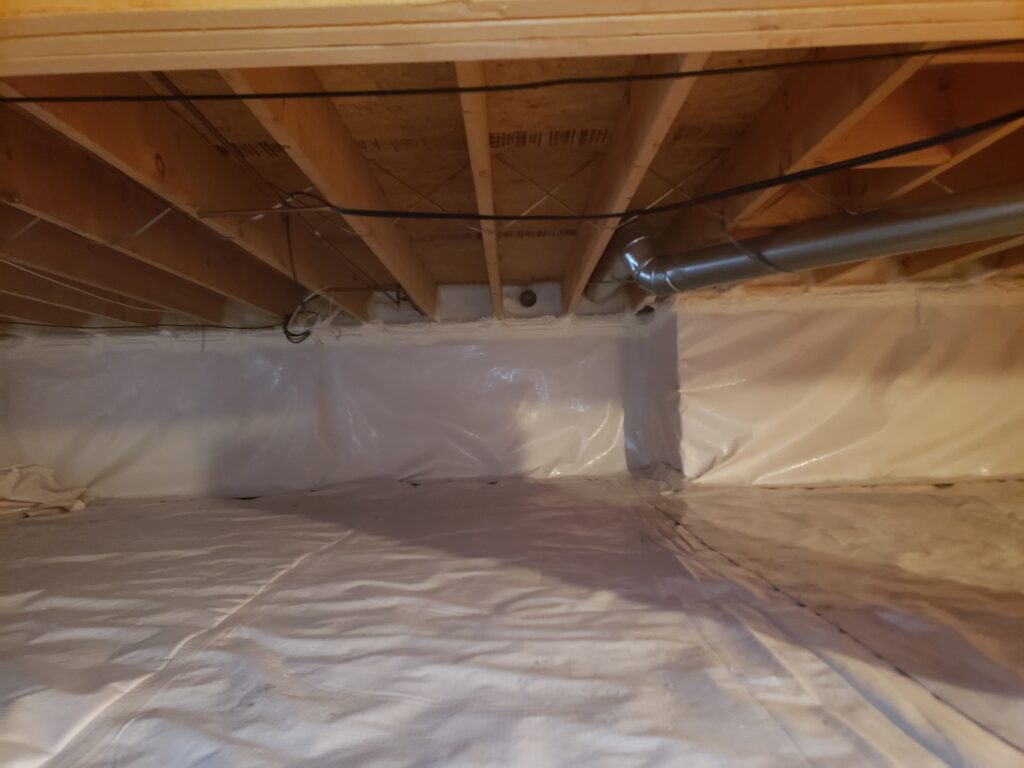
A crawl space sits right below the living area, so when that space is open, damp, or poorly insulated, the house loses comfort and efficiency from the bottom up. Heat can escape through the floors in winter. Warm outside air and moisture can move in during summer. That mix is hard on wood, subfloor materials, and overall comfort.
Good crawl space insulation helps:
Danny was professional and did an exceptional job.
I could not be more pleased with the results.
The foam is sprayed flawlessly.
Danny did an excellent job, and I would recommend Colony for spray foam insulation work.
Clean, quick, professional, and on time.
Danny answered all of my questions with confidence and did excellent work. One of the best installers I have seen.
My first floor struggled to make it above 60 degrees—now it’s 72 degrees and the floors are nice and warm.
Danny and his partner did an awesome job encapsulating my crawl space. They cleaned it out thoroughly, and the finished work exceeded my expectations.
Completed everything exactly as promised.
Colony Insulation was able to insulate our attic just one day after we signed the contract. The work was great, and they left the space neat and clean.
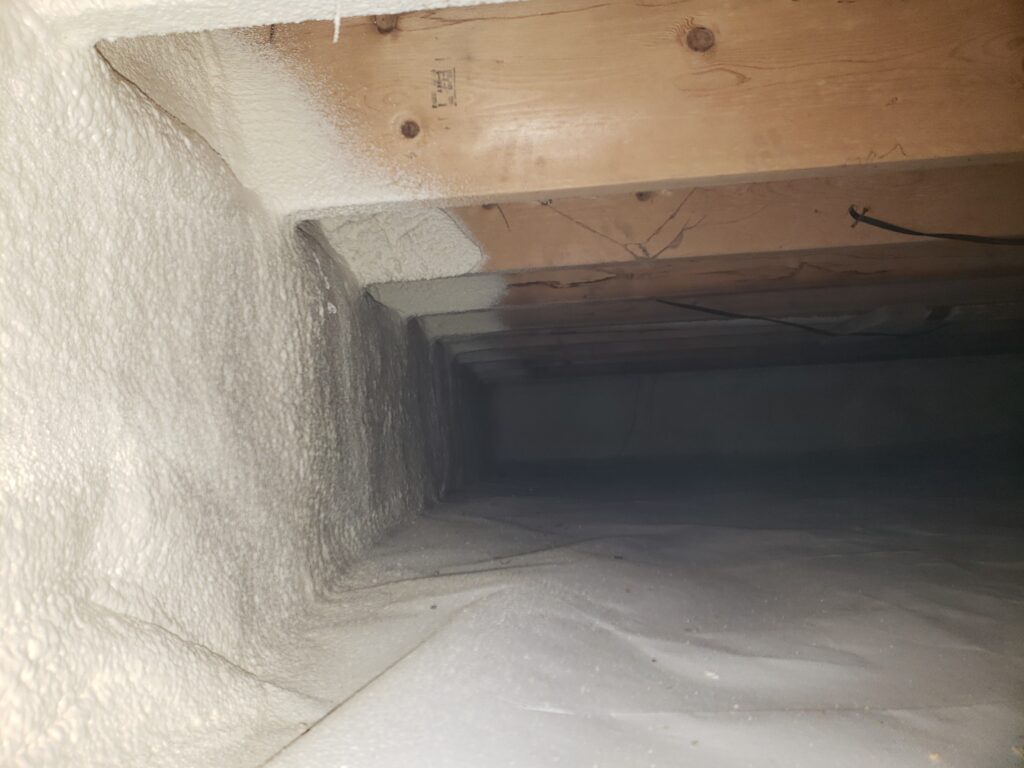
Some crawl spaces are open and vented. Some are better sealed. Some have insulation falling out from between floor joists. Some have old fiberglass products that were bought years ago and are now sagging, wet, or damaged. Some have termite risk, exposed dirt, or moisture problems that make the wrong insulation products fail fast.
That is why the answer depends on the crawl space itself. Vented crawl spaces, sealed crawlspace areas, wall insulation strategies, and floor insulation strategies all require different materials and different products. Good contractors do the research first, not after the install.

Ira Township
Fort Gratiot
China Township
See how Colony Insulation can help bring your property higher energy efficiency and comfort.
A lot of crawl space issues follow the same pattern. The space is damp. The fiberglass insulation is hanging down. The vents are open all year. The wood framing feels exposed. The floors above feel cold. Sometimes there is visible mold. Sometimes there are signs of termites. Sometimes the area just smells stale and damp.
When we inspect a crawl space, we are looking for the things that change the recommendation:
There are a few common crawl space insulation options, and each one has a place depending on the space, the moisture conditions, and whether the crawl space is vented or better suited to a more sealed approach.
Fiberglass insulation is still one of the most common crawl space insulation products. In some cases, fiberglass batts can be installed between floor joists to help insulate the floors above. Fiberglass products are easy to find, easy to cut, and easy to install in the right conditions.
But fiberglass insulation is not the answer for every crawl space. If the space has too much moisture, open vents, or regular outside air movement, fiberglass can struggle. Wet fiberglass products lose effectiveness fast, and sagging batts under the subfloor are a common sight in older crawlspace areas.
Rigid foam board is often a better fit when crawl space walls need to be insulated instead of only the floors above. Foam board products, including EPS board products and other rigid foam products, can create a more effective insulation layer on walls when installed correctly.
Board products also help in areas where moisture resistance matters more. Rigid foam can be cut to fit wall sections, installed across foundation walls, and used as part of a crawl space strategy focused on keeping the space more dry and controlled. Some foam board products are rated for specific applications, and choosing the right board products matters.
Spray foam is another strong crawl space insulation option. Spray foam can seal air leaks and insulate at the same time, which makes it helpful in difficult crawl space areas with gaps, rim transitions, or hard-to-reach sections. Closed cell spray foam is often used where moisture resistance and higher performance matter. Open cell foam has different uses and is not the same answer in every space.
Spray foam products are often useful around rim areas, penetrations, and irregular framing where traditional fiberglass products do not hold up well. If the crawl space has a lot of awkward corners, exposed materials, or hard-to-fit openings, foam products can make the install easier and more effective.
Vented crawl spaces are common, but they also create a lot of confusion. People see vents and assume the space should stay open forever. In reality, vented crawl spaces can bring in outside air, moisture, and seasonal temperature swings that make insulation work harder and sometimes fail.
If a crawl space is vented, the insulation approach has to account for those vents, the moisture load, and the condition of the area. In some vented crawl spaces, insulating between floor joists may still be part of the answer. In others, the better answer may involve changing how the crawl space is handled overall. That is why vented crawl spaces should be assessed carefully before products are installed.
Before we install crawl space insulation, we look at the full space. That includes the ground, the walls, the floors above, the subfloor, the floor joists, and any signs that moisture or termites are already causing damage. We also check whether existing insulation products should be removed before new products go in.
We are looking at things like:
That upfront work helps us find the effective answer instead of guessing and hoping it works.
Moisture is one of the biggest crawl space issues there is. A damp crawl space can damage wood, hurt insulation performance, create mold concerns, and make the whole area feel impossible to control. If moisture is ignored, even good insulation products can fail before they should.
That is why moisture control is part of the question every time. The answer is not just about what products to buy. It is about what the crawl space requires to stay dry, protect the house, and maintain comfort long term.
Colony Insulation provides crawl space insulation, fiberglass insulation, rigid foam, and spray foam services for residential and commercial projects in Clay and surrounding Southeast Michigan. The company is owner-led by Daniel Walker and focused on practical insulation solutions that fit the space, the materials, and the problem.
We work with homeowners, builders, and contractors who need crawl space insulation done right. Some projects are simple. Some are difficult. Some require old materials to be removed. Some require foam board on walls. Some require spray foam in hard spots. The answer depends on the space, and that is exactly how we approach it.

Get A Better Answer For The Space Under Your House
If your crawl space feels damp, cold, or poorly insulated, Colony Insulation can assess the area and recommend the right products and installation plan. You do not need to guess. You need an effective answer that fits the space.